Expert Advice: Navigating Energy Upgrade Information for Victorian Homes


Understanding Energy Upgrades for Victorian Homes
Victorian homes, with their timeless charm and historical significance, often require modern energy upgrades to enhance efficiency. These upgrades not only help in reducing energy bills but also contribute to a more sustainable environment. However, navigating the information available can be overwhelming. This guide aims to simplify the process by offering expert insights into energy upgrades for Victorian homes.
Assessing Your Home's Current Energy Efficiency
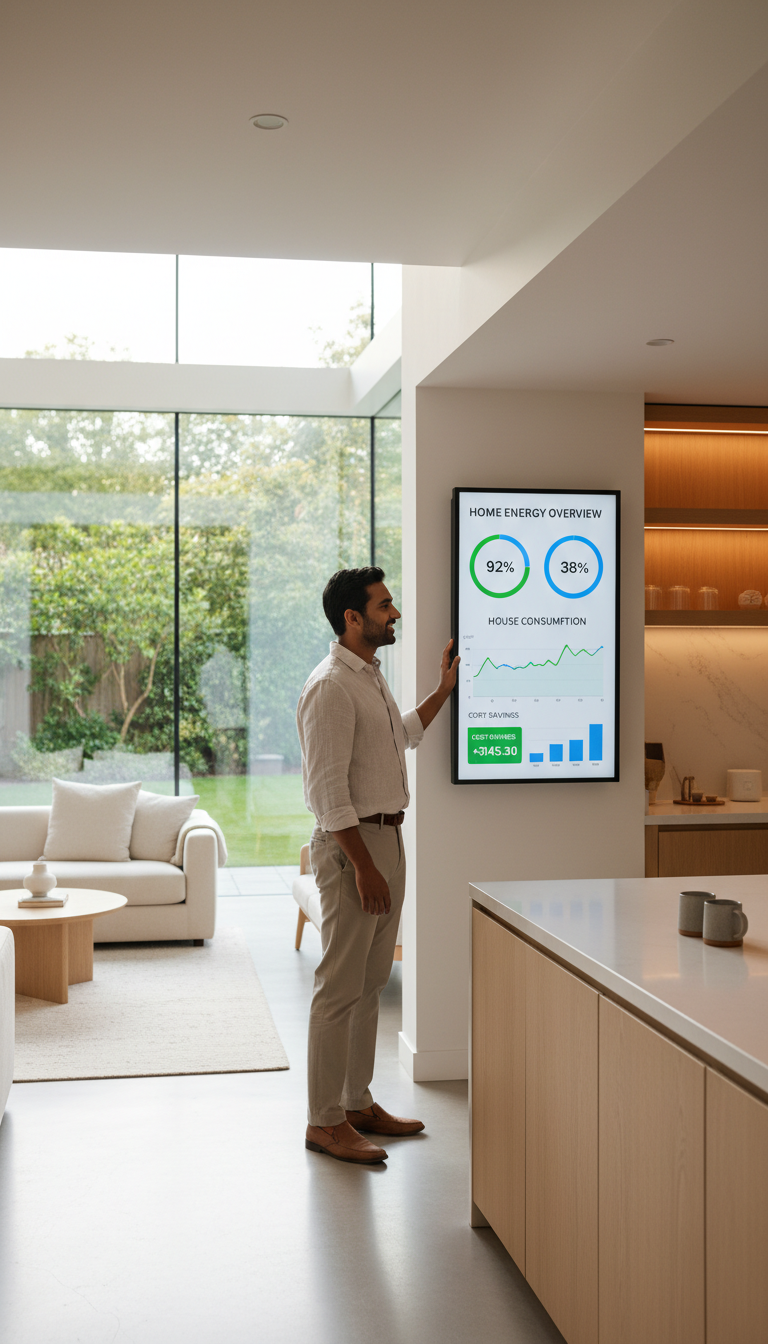
Before embarking on any upgrade, it's crucial to understand your home's current energy efficiency status. Conducting an energy audit can be an effective way to identify areas of improvement. Look for drafts, insulation issues, and outdated appliances that may be consuming more energy than necessary.
Consider hiring a professional to conduct a comprehensive energy audit. They can provide detailed reports and suggest specific upgrades tailored to your home's needs. This initial step is vital to ensure that your investment is directed towards the most effective solutions.
Prioritizing Insulation and Sealing
One of the most impactful upgrades for Victorian homes is improving insulation. Proper insulation keeps your home warm in the winter and cool in the summer, reducing the need for excessive heating and cooling. Focus on insulating attics, walls, and floors, and pay attention to sealing windows and doors to prevent drafts.
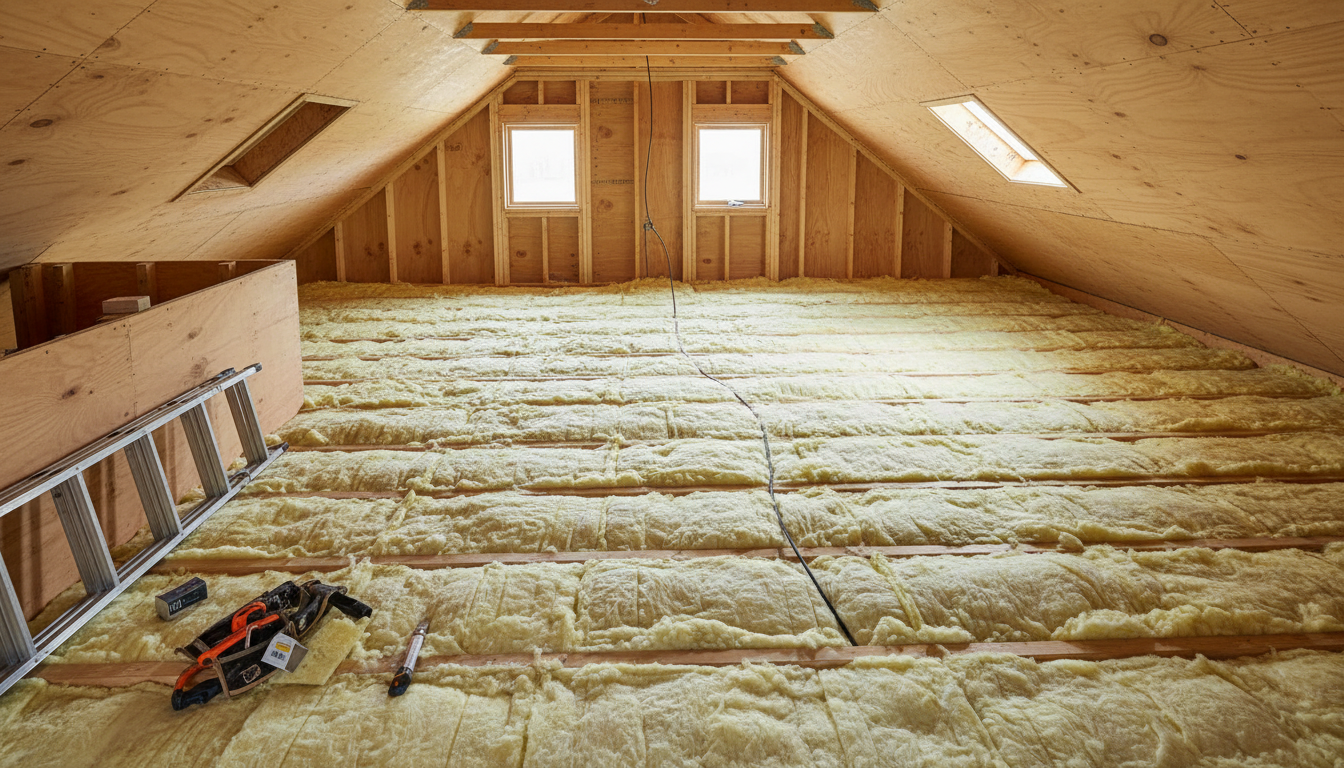
Using high-quality materials and ensuring proper installation is key. While it may seem like a significant upfront cost, the long-term savings on energy bills make it a worthwhile investment.
Upgrading Heating and Cooling Systems
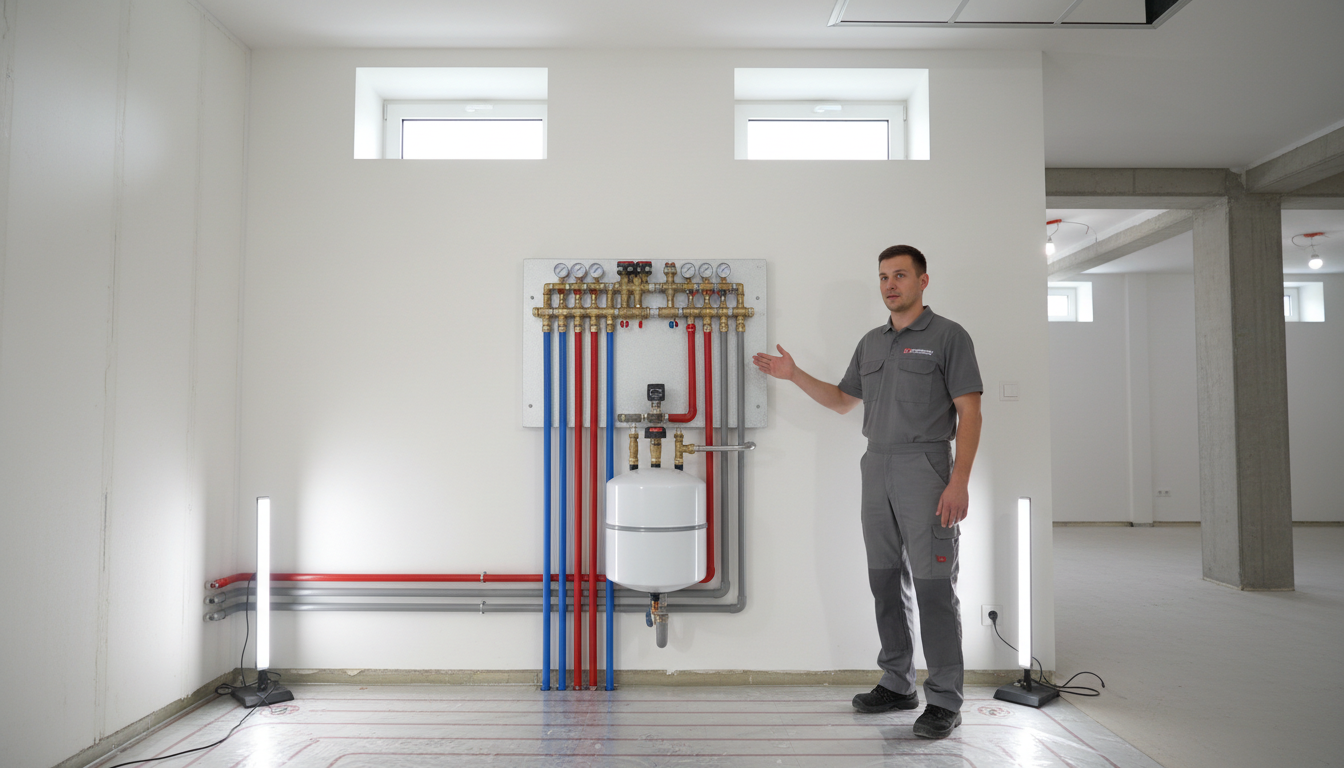
Victorian homes often rely on outdated heating and cooling systems that are not energy-efficient. Upgrading to modern systems can drastically reduce your energy consumption. Consider installing a programmable thermostat, which allows you to control the temperature settings efficiently.
Additionally, explore options like heat pumps or high-efficiency furnaces, which can provide better performance and lower energy usage. Always seek systems that are the right size and capacity for your home to maximize efficiency.
Incorporating Renewable Energy Sources
As energy technology advances, renewable energy sources like solar panels have become more accessible. Installing solar panels can significantly reduce reliance on traditional energy sources and lower your carbon footprint. Victorian homes with ample roof space are ideal candidates for solar installations.
Research any available incentives or rebates that can offset the initial installation costs. Many governments offer programs to encourage the adoption of renewable energy, making it a financially viable option.
Choosing Energy-Efficient Appliances
Replacing old appliances with energy-efficient models is another step towards achieving a more sustainable home. Look for appliances with high Energy Star ratings, which are designed to consume less energy without compromising performance.
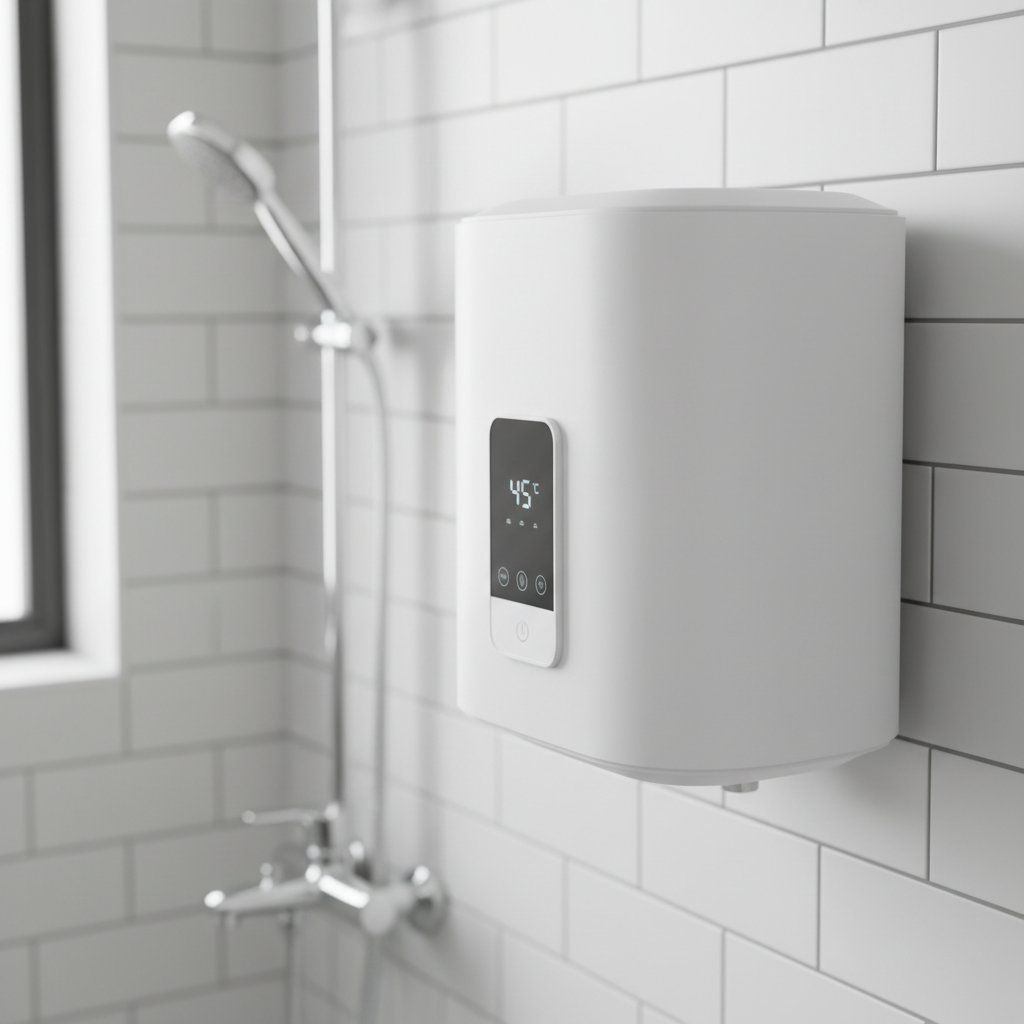
Consider creating a priority list of appliances that need replacement based on their energy consumption. Refrigerators, washing machines, and water heaters are often the biggest energy users in a home, so upgrading these first can have a substantial impact.
Conclusion: Embracing the Future
Victorian homes, despite their age, can be transformed into energy-efficient havens with the right upgrades. By assessing current energy usage, improving insulation, updating systems, incorporating renewable energy, and choosing efficient appliances, homeowners can enjoy the charm of their historic homes while embracing modern sustainability.
Stay informed and consult with professionals to ensure that your energy upgrades are both effective and suitable for your specific home. With careful planning and investment, you can create a comfortable and eco-friendly living space.