Top Myths About Energy Assessments Debunked


Understanding Energy Assessments
Energy assessments are crucial for identifying ways to improve energy efficiency in homes and businesses. However, there are many myths surrounding these assessments that can lead to misconceptions. In this article, we will debunk some of the most common myths about energy assessments.
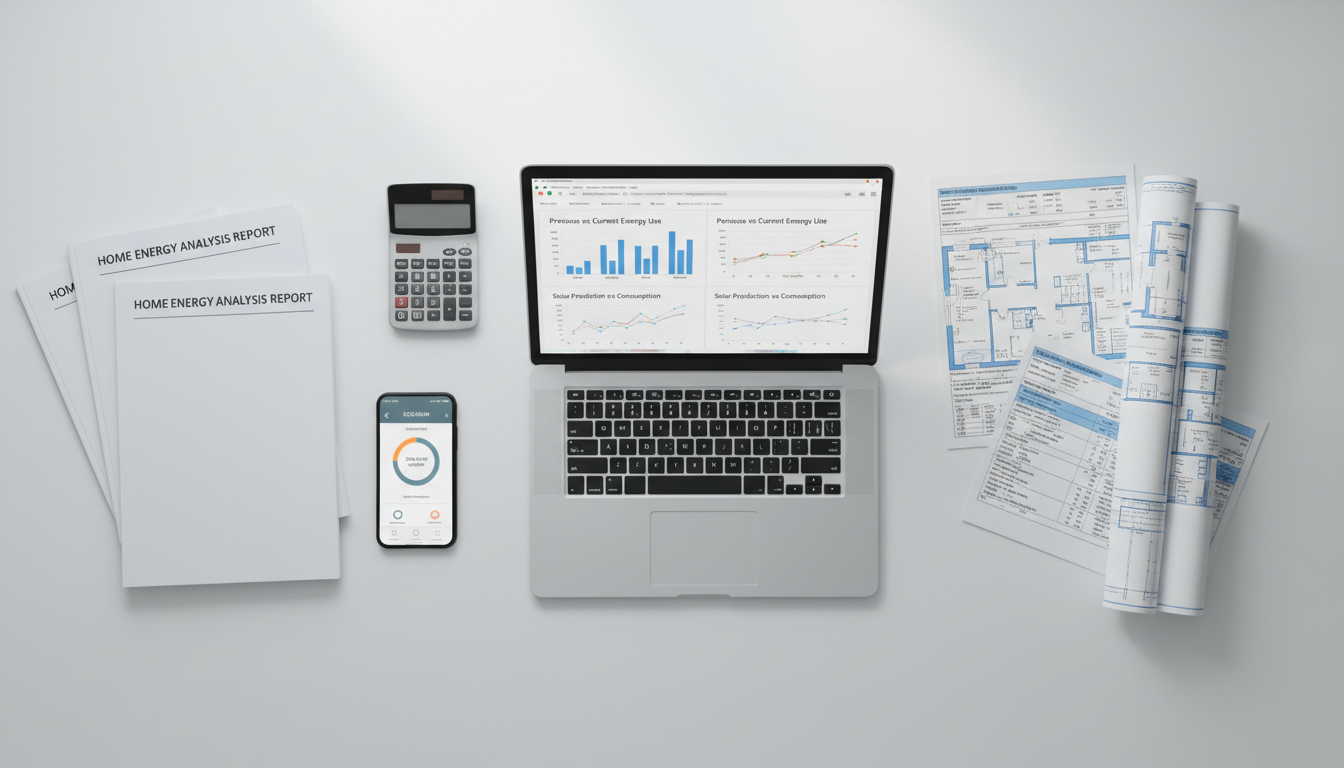
Myth 1: Energy Assessments Are Expensive
One of the most prevalent myths is that energy assessments are costly and not worth the investment. In reality, many energy assessments are quite affordable or even offered for free by utility companies. The long-term savings on energy bills typically outweigh the initial cost of the assessment.
Energy efficiency improvements identified in an assessment can lead to significant reductions in energy consumption, saving you money over time.
Myth 2: Only Older Buildings Need Energy Assessments
Another common misconception is that only older buildings require energy assessments. While older buildings may have more obvious inefficiencies, newer buildings can also benefit from an assessment. Modern construction can still have hidden energy issues that need to be addressed.

Energy assessments can identify opportunities for improvement in buildings of any age, from insulation upgrades to more efficient heating and cooling systems.
Myth 3: Energy Assessments Are Time-Consuming
Many people believe that energy assessments are lengthy processes that disrupt daily operations. However, most assessments can be completed in just a few hours, with minimal disruption. The assessor will conduct a thorough inspection and provide a detailed report of findings and recommendations.

By investing a small amount of time, you can gain insights into how to make your property more energy-efficient.
Myth 4: Energy Assessments Only Focus on Heating and Cooling
While heating and cooling are significant components of an energy assessment, they are not the only focus. Assessors also evaluate other factors, such as lighting, appliances, and insulation, to provide a comprehensive overview of energy use.
This holistic approach ensures that all potential areas for improvement are considered, leading to more effective energy-saving strategies.
Myth 5: Energy Efficiency Is Not Important
Some believe that energy efficiency is a minor concern or not worth the effort. However, improving energy efficiency has numerous benefits, including reducing environmental impact, decreasing utility bills, and enhancing property value.

Energy efficiency is a critical component of sustainable living and responsible resource management. By dispelling these myths, we hope to encourage more property owners to consider energy assessments as a valuable tool in their energy management strategy.